Baby Onesies: The Complete Guide to Choosing the Best Ones for Your Baby
Take-Home Key Points
- Baby onesies are essential because they combine comfort, convenience, and practicality in one garment.
- Different types (short-sleeve, long-sleeve, sleeveless, kimono, organic) suit different weather conditions and needs.
- Fabric choice matters—cotton, organic cotton, bamboo, and blends each offer specific benefits.
- The number needed depends on age, laundry frequency, climate, and baby habits.
- Key features to look for include snap closures, stretchability, tagless design, and durability.
- Always consider proper sizing, seasonal needs, and buy wisely online by checking reviews and size charts.
- Avoid overbuying newborn sizes and prioritizing style over comfort.
Introduction
Baby clothing can feel overwhelming for new parents—there are countless options, sizes, fabrics, and styles to consider, each claiming to be the best for your child. From tiny socks that never seem to stay on to complicated outfits with multiple layers, it’s easy to feel unsure about what your baby needs. Amid all this noise, one item consistently proves its value and simplicity: baby onesies. These one-piece garments are thoughtfully designed to combine practicality with comfort, eliminating many of the common frustrations associated with dressing infants. With secure snap closures, soft breathable fabrics, and a fit that stays in place, onesies make daily routines like diaper changes, dressing, and even laundry far more manageable.
Beyond their simplicity, baby onesies form the foundation of a baby’s wardrobe because of their unmatched versatility. They can be worn on their own in warm weather, layered under clothing during colder months, or used as sleepwear, making them suitable for virtually any situation. Their design supports a baby’s constant movement while keeping them comfortable and protected throughout the day. For parents balancing time, budget, and practicality, onesies offer a reliable solution that reduces decision fatigue.
At the same time, the growing demand for baby products has made the market more competitive than ever. With thousands of options available online and in stores, knowing how to identify high-quality baby onesies is essential. Understanding key factors such as fabric type, durability, sizing, and value for money can help you avoid unnecessary purchases and focus on what truly matters. By making informed choices, you not only save time and money but also ensure your baby remains comfortable, safe, and well-dressed in every season.
What Are Baby Onesies and Why Are They So Popular?
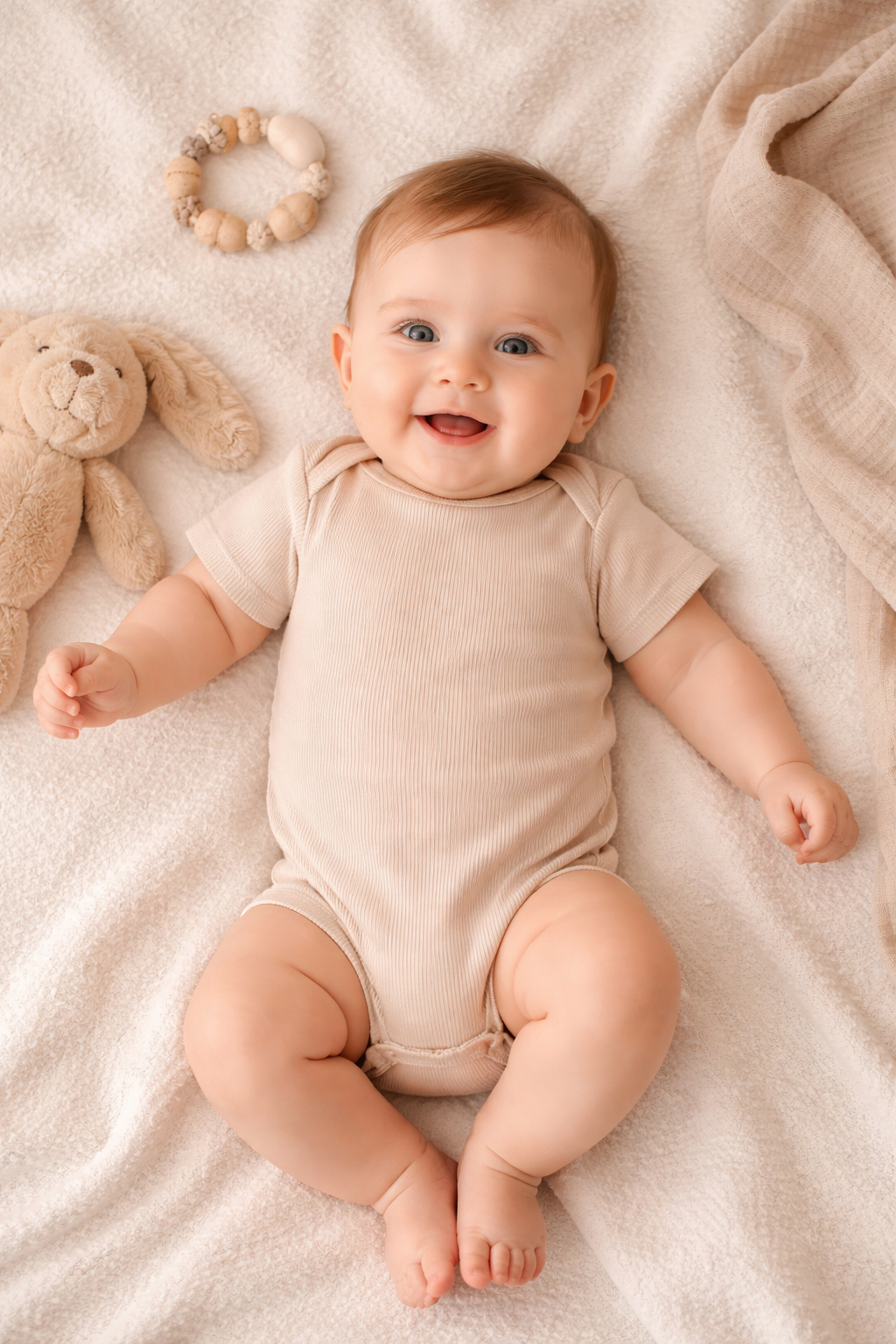
Baby onesies are one-piece bodysuits specifically designed to simplify infant clothing while maximizing comfort and functionality. Typically fastening at the crotch with snap closures, they are engineered to keep a baby’s diaper securely covered without the need for constant readjustment. Unlike separate tops that can easily ride up as a baby moves, kicks, or is picked up, onesies stay firmly in place, ensuring consistent coverage and warmth. This design not only supports a baby’s natural movement but also reduces the likelihood of discomfort or exposure, making them a reliable everyday clothing choice for both newborns and older infants.
One of the main reasons baby onesies are so popular is the level of convenience they offer to parents. Diaper changes, which happen frequently throughout the day and night, are made significantly easier thanks to the strategically placed snap closures that allow quick access without removing the entire garment. This is especially valuable during nighttime changes when minimizing disruption is important. Additionally, the secure yet flexible fit ensures that babies remain comfortably dressed without the need for constant fixing or repositioning, even when they are particularly active or wriggly.
Another key advantage lies in how effortless they make the dressing process. Parents often have to dress babies who are moving, stretching, or resisting clothing changes, and onesies simplify this task by being easy to slip on and fasten in just a few steps. Their design reduces the complexity of coordinating multiple clothing items, saving both time and effort in daily routines. Furthermore, baby onesies are highly adaptable across different weather conditions. They can be worn on their own during warmer months or layered under other clothing in colder seasons, making them a year-round essential.
Why Baby Onesies Are a Must-Have for Every Parent
Ultimately, the combination of practicality, comfort, and versatility is what makes baby onesies a dominant product in both physical retail stores and online marketplaces. Their ability to meet the core needs of both babies and parents—comfort for the child and convenience for the caregiver—explains why they continue to be one of the most searched and purchased baby clothing items worldwide.
The Different Types of Baby Onesies (And When to Use Them)
Understanding the different types of baby onesies is essential for making informed and practical purchasing decisions. Each variation is designed with a specific purpose in mind, whether it’s adapting to weather conditions, supporting a baby’s comfort, or making daily routines easier for parents. By choosing the right type for the right situation, you can build a functional wardrobe that meets your baby’s needs without unnecessary spending.1. Short-Sleeve Onesies
Short-sleeve onesies are among the most commonly used and versatile options. They are ideal for warm climates and indoor environments where temperatures are moderate. Their lightweight design helps keep babies cool while still providing enough coverage to secure diapers and protect sensitive skin. In addition, short-sleeve onesies are excellent for layering under lighter clothing, making them a reliable everyday essential that most parents tend to stock in larger quantities.
2. Long-Sleeve Onesies
Long-sleeve onesies, on the other hand, are better suited for colder weather or cooler indoor conditions. They provide additional warmth without the need for bulky clothing, allowing babies to remain comfortable while still being able to move freely. These onesies are particularly useful for nighttime wear, as they help maintain body warmth during sleep. They also function effectively as a base layer under jackets, sweaters, or sleepwear, making them a key component of a winter wardrobe.
3. Sleeveless Onesies
Sleeveless onesies are designed specifically for hot weather and are especially beneficial for babies who tend to overheat. By removing sleeve coverage, they allow maximum airflow, helping to regulate body temperature while still keeping the diaper securely in place. This makes them an excellent choice for summer months or for use in warmer indoor settings where breathability is a priority.
4. Kimono (Side-Snap) Onesies
Kimono-style, or side-snap onesies, are particularly valuable during the newborn stage. Unlike traditional onesies that are pulled over a baby’s head, these feature side fastenings that wrap around the body. This design is much gentler and more practical for newborns, who often have limited neck control and may be sensitive to having clothing pulled over their heads. For new parents, this style can significantly reduce the stress associated with dressing a fragile infant, especially in the first few weeks.
5. Organic Baby Onesies
Organic baby onesies cater to parents who prioritize both skin sensitivity and environmental impact. Made from materials that are free from harsh chemicals, pesticides, and synthetic treatments, they are ideal for babies with delicate or reactive skin. In addition to being safer for the baby, they also appeal to eco-conscious families looking to make more sustainable purchasing decisions. While they may come at a slightly higher price point, their benefits in terms of safety and environmental responsibility often justify the investment.
Fabric Matters: Choosing the Right Material
Fabric is one of the most critical factors to consider when buying baby onesies, as it directly affects your baby’s comfort, skin health, and overall wearability of the garment. Babies have delicate, sensitive skin that can easily become irritated by rough textures, poor-quality materials, or fabrics that trap heat and moisture. For this reason, selecting the right material is not just a matter of preference—it’s a practical decision that impacts your baby’s daily comfort and well-being.
Cotton (Most Popular Choice)
Cotton remains the most popular and widely recommended choice for baby onesies, and for good reason. It is naturally soft and breathable, allowing air to circulate and helping regulate body temperature, which is essential for preventing overheating. Cotton is also highly durable and can withstand frequent washing without losing its shape or softness, making it ideal for everyday use. Its balance of comfort, affordability, and practicality makes it a staple in most baby wardrobes.
Organic Cotton
Organic cotton takes these benefits a step further by eliminating exposure to harmful chemicals. Produced without pesticides, synthetic fertilizers, or harsh processing agents, organic cotton is a safer option for babies with sensitive or allergy-prone skin. It is also hypoallergenic, reducing the risk of irritation or rashes. For parents who are mindful of both health and environmental impact, organic cotton offers a more sustainable and skin-friendly alternative, even though it may come at a slightly higher cost.
Bamboo Fabric
Bamboo fabric has gained popularity as a premium option due to its exceptional softness and advanced functional properties. It is naturally moisture-wicking, which helps keep babies dry by drawing sweat away from the skin. Additionally, bamboo fabric has antibacterial qualities, which can help reduce odor and maintain freshness for longer periods. Its silky texture makes it particularly suitable for babies with very sensitive skin, although it is generally more expensive than traditional cotton options
Why Choose Baby Onesies for Your Child?
Blended Fabrics
Blended fabrics, which combine cotton with materials like polyester or elastane, are designed to enhance durability and flexibility. The added stretch allows for greater freedom of movement, accommodating a baby’s constant activity without restricting them. These blends also tend to retain their shape better after repeated washing, making them a practical choice for long-term use. However, it’s important to ensure that the blend still prioritizes breathability to avoid trapping heat.
Ultimately, the right fabric choice depends on your baby’s specific needs, the climate you live in, and how frequently the clothing will be used. By prioritizing softness, breathability, and durability, you can ensure that your baby onesies provide both comfort and long-lasting value.
How Many Baby Onesies Do You Actually Need?
A common question among new parents is how many baby onesies are truly necessary. While it may be tempting to buy in bulk, the ideal quantity depends on your baby’s age, daily routines, and how often you plan to do laundry. Since babies go through multiple outfit changes in a single day—due to spills, diaper leaks, or general mess—it’s important to have enough onesies to avoid constant washing while still maintaining a manageable wardrobe.
General Guideline
As a practical starting point, most parents can follow a simple quantity guideline based on age. For newborns aged 0–3 months, having around 7 to 10 onesies is usually sufficient, as this allows for daily changes with some buffer. The same range applies to babies aged 3–6 months, although you may find yourself using them more frequently as your baby becomes more active. For babies between 6–12 months, it’s often advisable to have 10 or more onesies, since increased mobility, feeding, and exploration tend to result in more frequent outfit changes throughout the day.
Factors That Influence Quantity
Several key factors can affect how many onesies you actually need. Laundry frequency plays a major role—if you wash clothes daily or every other day, you can manage with fewer items, whereas less frequent washing requires a larger. Climate is another important consideration; in warmer environments, babies may wear onesies as standalone outfits and need more frequent changes due to sweating, while colder climates may involve layering, potentially reducing direct usage. Additionally, every baby is different—some are more prone to spills, spit-ups, or diaper leaks, which naturally increases the number of outfit changes required.
By considering these variables, you can strike a balance between having enough baby onesies for convenience and avoiding unnecessary over-purchasing.
Key Features to Look For When Buying Baby Onesies
In a highly competitive market, baby onesies come with a wide range of features designed to attract buyers—but not all of them add real value. For parents, the focus should be on practical features that improve comfort, durability, and ease of use. Understanding what truly matters will help you make smarter purchasing decisions and avoid spending on unnecessary extras. Also see our article on Baby Fashion Trends 2025: From Baby Crocs to Baby Uggs
Envelope Necklines
One of the most functional design elements in baby onesies is the envelope neckline. This feature allows the neckline to stretch, making it easier to pull the garment down over the baby’s body instead of lifting it over the head—especially useful during messy situations like diaper leaks or spit-ups. It simplifies the dressing process and reduces stress for both parent and baby.
Strong Snap Closures
Snap closures are a defining feature of baby onesies, and their quality directly impacts usability. Look for reinforced snaps that can withstand frequent opening and closing without loosening or breaking. Additionally, nickel-free materials are important to prevent skin irritation or allergic reactions, ensuring the garment remains safe for prolonged contact with your baby’s skin.
Stretchability
Babies are constantly moving—kicking, rolling, and stretching—so flexibility in fabric is essential. Onesies with good stretchability allow for unrestricted movement while maintaining their shape over time. This not only enhances comfort but also extends the lifespan of the garment, as it adapts to your baby’s growth and activity level.
Tagless Design
A small but significant feature is a tagless design. Traditional tags can cause itching or irritation, particularly on sensitive skin. Tagless onesies eliminate this issue by printing information directly onto the fabric or using soft, non-intrusive labeling methods, resulting in a more comfortable wearing experience.
Machine Wash Durability
Frequent washing is unavoidable when it comes to baby clothing, so durability is a key consideration. High-quality baby onesies should retain their softness, shape, and color even after multiple wash cycles. Fabrics that resist shrinking, fading, and wear ensure that the garment remains usable for longer, providing better value for money.
By prioritizing these essential features, you can select baby onesies that not only look good but also perform reliably in everyday use, making parenting just a little more manageable.
Sizing Guide: Getting the Perfect Fit
Getting the right size for baby onesies is essential for both comfort and functionality, yet it can be challenging since sizing often varies between brands. Relying solely on age labels can be misleading, so it’s always important to consult brand-specific size charts and consider your baby’s weight and height as more accurate indicators. A well-fitted onesie should allow free movement without being too loose or overly restrictive.
When in doubt, sizing up is generally the safer option—especially if your baby falls between sizes. Babies grow quickly, and a slightly larger onesie will last longer while still providing comfort. It’s also important to pay attention to leg openings; overly tight elastic can cause discomfort or leave marks on your baby’s skin. At the same time, ensure there is enough room to comfortably accommodate a diaper, including bulkier overnight or cloth diapers if you use them. Ultimately, a slightly looser fit is far preferable to a tight one, as it supports natural movement and keeps your baby comfortable throughout the day.
Seasonal Buying Guide
Choosing the right baby onesies also depends heavily on the season, as temperature and climate directly affect your baby’s comfort. Building a seasonal wardrobe ensures that your baby is neither too hot nor too cold, while also maximizing the usability of each item.
Summer
During warmer months, the focus should be on keeping your baby cool and comfortable. Lightweight cotton onesies are ideal because they are breathable and gentle on the skin. Short-sleeve or sleeveless designs work best, allowing better airflow and reducing the risk of overheating. Fabrics that wick moisture and promote ventilation are especially useful in hot or humid conditions.
Winter
In colder weather, warmth becomes the priority. Long-sleeve onesies provide an extra layer of insulation without adding too much bulk, making them perfect as a base layer. They can be easily paired with sweaters, pants, or jackets for added warmth. For particularly cold environments, thicker fabrics or thermal onesies can help retain body heat and keep your baby comfortable throughout the day and night.
Transitional Seasons (Spring and Fall)
Spring and fall often bring fluctuating temperatures, so flexibility is key. A mix of short-sleeve and long-sleeve onesies allows you to adapt to changing conditions بسهولة. Layering becomes especially important during these seasons—adding or removing layers as needed helps maintain a consistent and comfortable body temperature for your baby.
By selecting the right sizes and adapting your choices to the seasons, you can ensure that your baby’s wardrobe remains practical, comfortable, and suitable for any environment.
Styling Baby Onesies: Practical Meets Cute
Baby onesies are not just functional essentials—they also offer plenty of opportunities for style and personal expression. Modern designs have evolved to combine practicality with aesthetics, allowing parents to dress their babies in outfits that are both comfortable and visually appealing. From everyday wear to special occasions, onesies can be styled in ways that reflect personality while still meeting the practical needs of infant clothing.
Minimalist neutral tones, such as soft whites, greys, and earthy shades, are increasingly popular for their clean and timeless look. At the same time, cute prints and patterns—ranging from animals to playful graphics—add a fun and lively touch to a baby’s outfit. Personalized text designs, such as names or short phrases, offer a unique and sentimental element, making them ideal for gifts or memorable moments. Matching family outfits have also become a growing trend, allowing parents and siblings to coordinate looks for holidays, events, or photoshoots. For parents who are active on social media, aesthetically pleasing onesies play a significant role in creating visually appealing photos, making style an important consideration alongside comfort.
Buying Baby Onesies Online: Smart Shopping Tips
With online shopping becoming the primary way many parents purchase baby clothing, having a clear strategy is essential. Search results are often filled with images, videos, and product listings, which can make it difficult to distinguish between high-quality options and less reliable ones. Being intentional about what you look for can help you make better purchasing decisions.
Start by carefully reviewing product images, zooming in to assess fabric texture, stitching quality, and overall construction. Verified customer reviews are equally important, as they provide real insights into sizing accuracy, durability, and comfort. Always check size charts, as sizing can differ between brands, and review return policies in case the fit or quality does not meet expectations. Additionally, consider bundle deals or multi-pack options, which often provide better value for money compared to purchasing individual items.
A practical tip is to prioritize multi-packs when buying everyday essentials. These not only reduce the cost per item but also ensure you always have enough onesies on hand for frequent changes, making them a cost-effective and convenient choice.
Common Mistakes to Avoid
When purchasing baby onesies, there are several common mistakes that can lead to unnecessary expense or inconvenience. One of the most frequent is buying too many newborn-sized onesies, as babies tend to outgrow this size very quickly. This can result in unused clothing and wasted money. Another mistake is overlooking fabric quality—choosing cheaper materials that may irritate the baby’s skin or wear out quickly after washing.
Parents also sometimes prioritize style over comfort, opting for visually appealing designs that may not be practical for daily use. While aesthetics are important, comfort and functionality should always come first. Lastly, failing to check washing instructions can lead to issues such as shrinking, fading, or fabric damage, reducing the lifespan of the garment. Avoiding these pitfalls ensures a more efficient and satisfying shopping experience.
Final Verdict: Are Baby Onesies Essential?
Without question, baby onesies are an essential part of any baby’s wardrobe. They offer a unique combination of convenience, comfort, and versatility that few other clothing items can match. From simplifying diaper changes to adapting across different seasons and occasions, onesies provide a practical solution that supports both the baby’s needs and the parent’s daily routine.
Their ability to function as standalone outfits, layering pieces, and sleepwear makes them one of the most reliable and cost-effective clothing choices for infants. For any parent looking to build a functional, comfortable, and efficient wardrobe for their baby, investing in high-quality baby onesies is not just a recommendation—it is a necessity.